Call 01386 701043 Email info@cotswold-falconry.co.uk
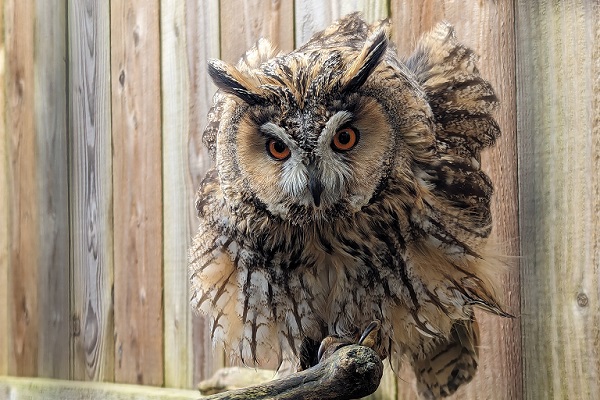
A widely distributed owl can be spotted here in the UK under the cover of dense woodlands and shrubs. They are shy, nocturnal birds with a zig-zag pattern of flight when hunting.
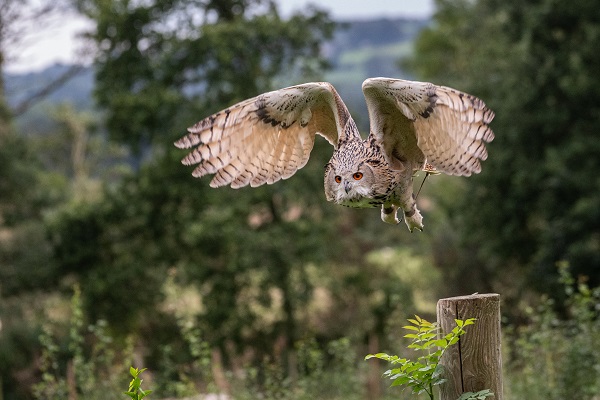
Our largest owl at the Centre, this impressive owl is capable of catching small deer. However, they mainly catch lemmings, rabbits and medium sized birds. Come and visit our lovely Mishka.
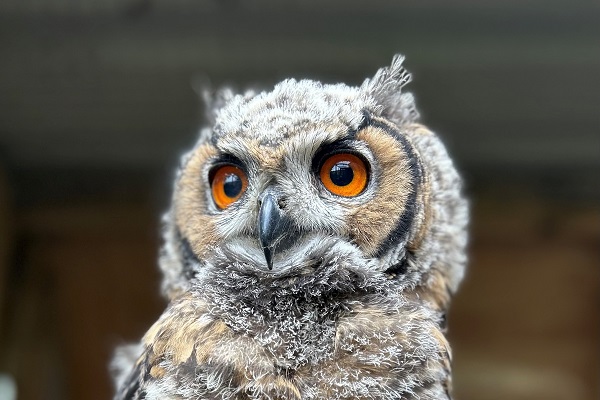
A Kenyan medium sized Eagle Owl with impressive plumage. We have a brother and sister currently on display, Amani and Simone, who fly brilliantly in our shows and private experiences.
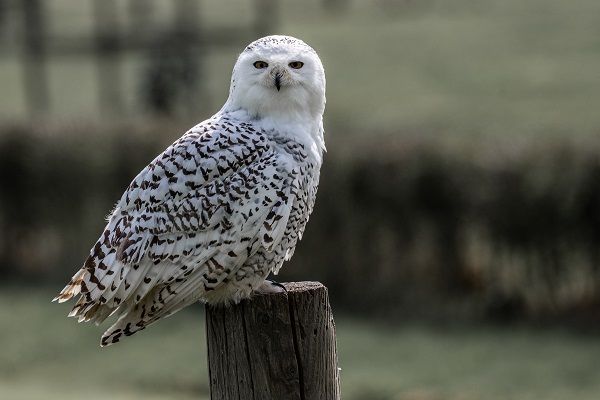
A large owl with white plumage that echoes its arctic habitat. The snowy owl can be seen flying both throughout the day and night in search of its prey, such as lemmings and other small mammals and birds.
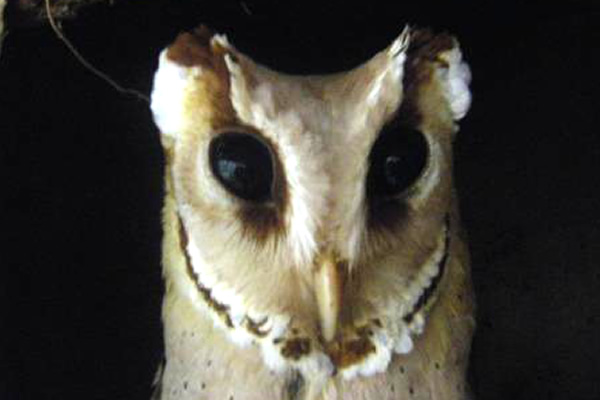
The Oriental Bay Owl is a small, unusual looking species of owl from South East Asia. It is a nocturnal owl that silently swoops from a tree perch onto small rodents, bats, birds and insects.
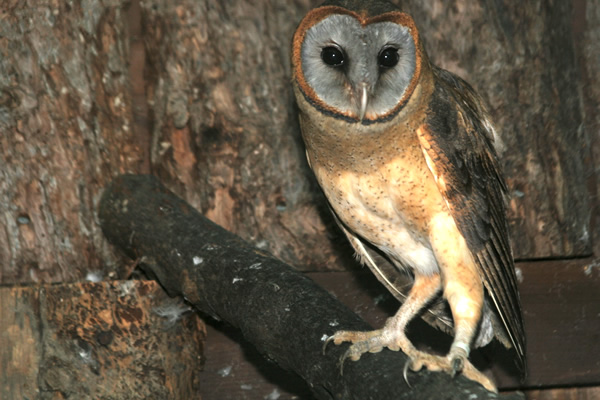
These owls have a similar appearance to the Barn Owl but are darker in colour with an ashy-grey face. The Ashy-faced Owl is endemic to the Caribbean island of Hispaniola and on several other islands of the Lesser Antilles.
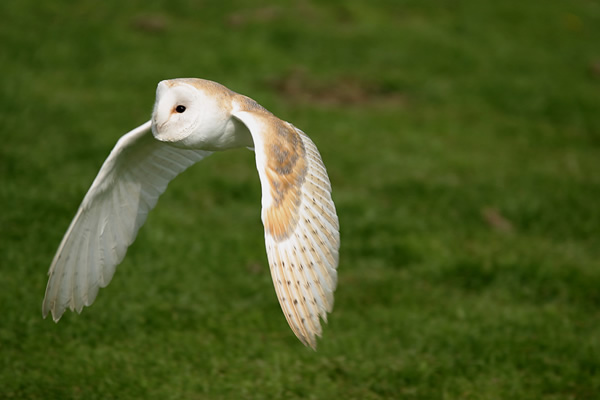
The most widely distributed of all owl species - the Barn Owl can be found on almost all continents except Antarctica. Barn Owls can be seen silently quartering fields, listening out for their prey.
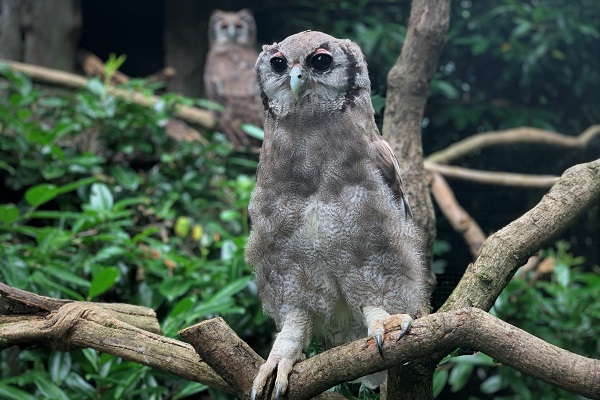
Also known as the Verreaux’s Eagle Owl, these huge owls are found in sub-Saharan Africa and have very distinctive pink eyelids. We first bred this species in 2024 and the pair have continued to breed since.
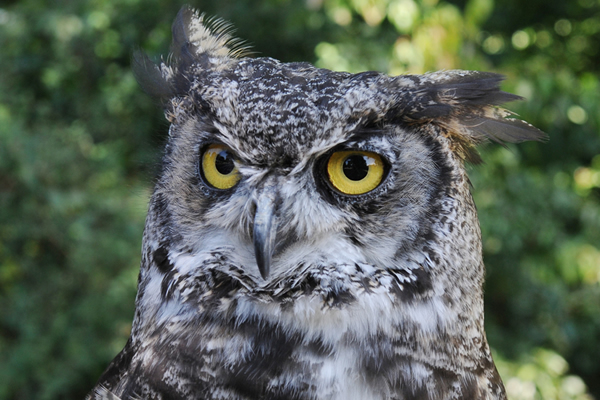
A relatively large owl found in North America and some parts of South America. They are predominantly a nocturnal hunter and adopt the ‘sit and wait’ approach to hunting, using vantage points within their territory.
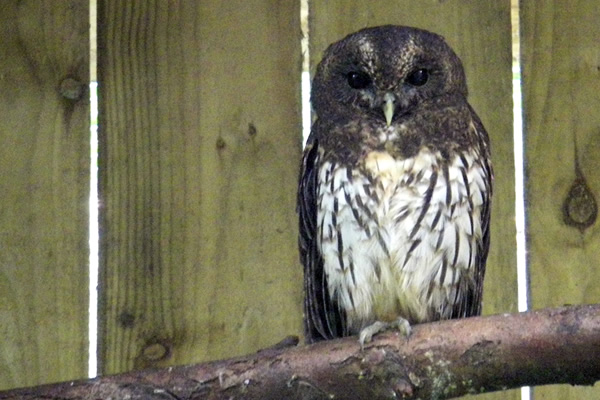
Mottled Owls are native to Central and South America, from Mexico to Argentina. They normally live in forested areas and also open countryside with scattered trees. The Mottled Owl feeds on small mammals and birds, but also snakes and frogs.
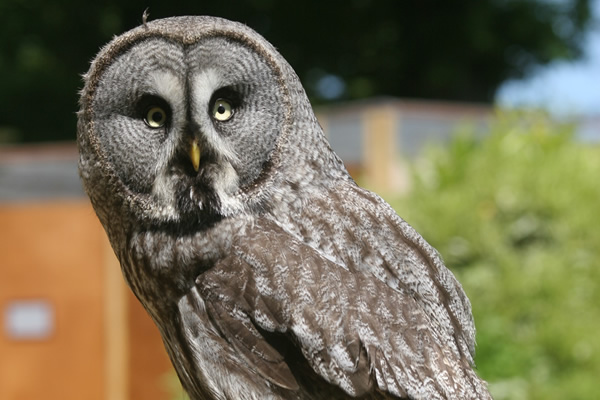
An owl with a very large facial disk to help locate voles and lemmings hidden in deep snow. Great Grey Owls are circumpolar and are found in forested habitats, but most of their hunting takes place in open areas.
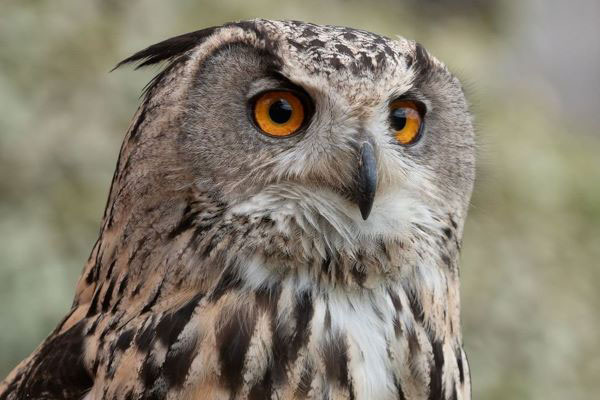
The Turkmenian Eagle Owl is a subspecies of the Eurasian Eagle Owl. Originating from Turkmenistan, this large owl is now extinct from this range and are instead found in parts of Russia, Kazakhstan and western Mongolia.
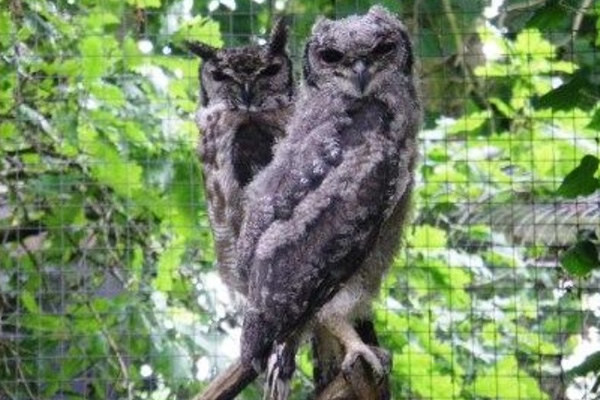
Vermiculated, or Greyish Eagle Owls, are found in the northern parts of sub-Saharan Africa. They are normally found in semi open savannah, but also in open parks and gardens, where they feed on small mammals, birds and large insects.
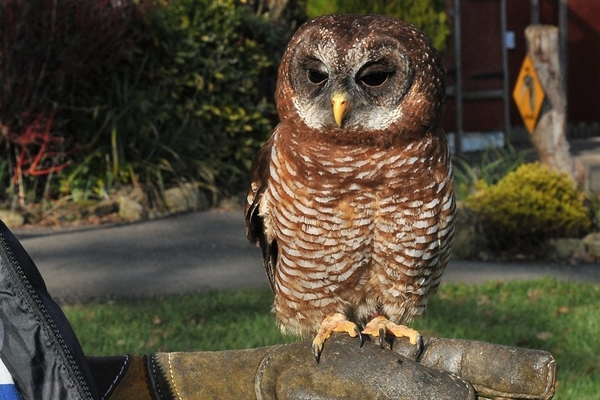
This is a successful and numerous species that nests in hollow trees in Sub-Saharan Africa. They are well camoflagued and enjoy the cover of thick forests. Hopefully you can spot our Georgie.
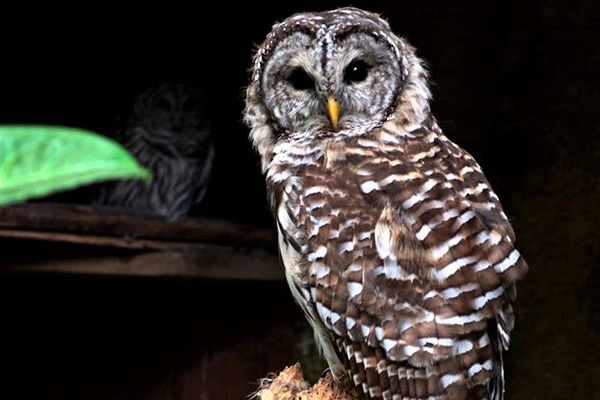
A fairly large owl from North America, the Barred Owl is also called the ‘hoot owl’ due to its call. Our pair at the centre are successful breeders and currently live with chicks from previous years.
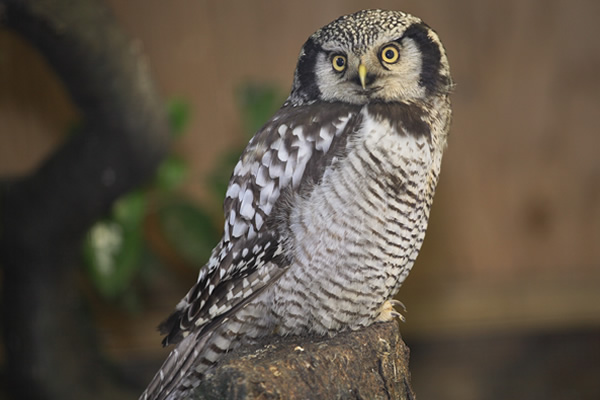
A bird of boreal coniferous forests, the Hawk Owl can be found throughout Eurasia. Predominantly a diurnal species, Hawk Owls hunt mainly voles, but sometimes other species, such as birds, frogs and large insects. They can hover like a Kestrel.
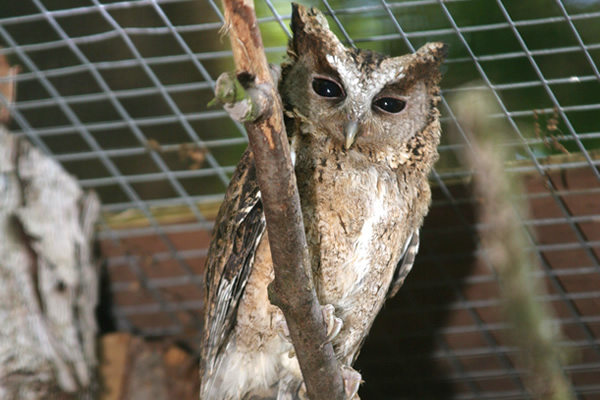
The Indian Scops Owl is a small woodland owl species, native to the southern regions of Asia. A nocturnal hunter, the Indian Scops Owl feeds predominantly on insect prey.
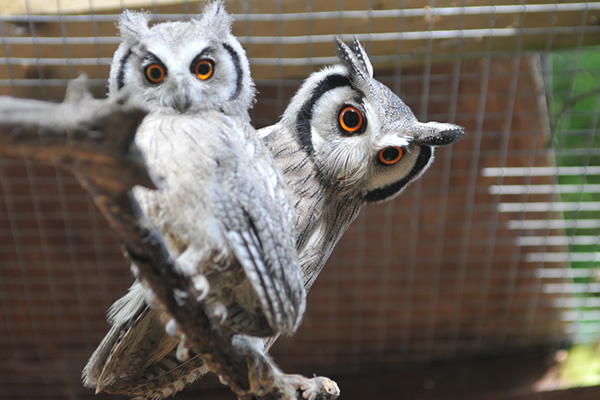
Found in the southern half of Africa, the White Faced Owl predates on large insects, along with the occasional small bird, reptile or mammal that they have swooped down on from a branch.
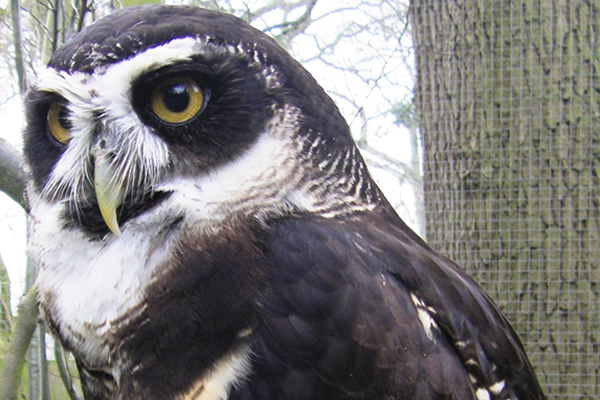
The Spectacled Owl is a fairly large owl that inhabits tropical and subtropical forests of Central & South America. They are characterised by ‘spectacles’ made of white feathers.
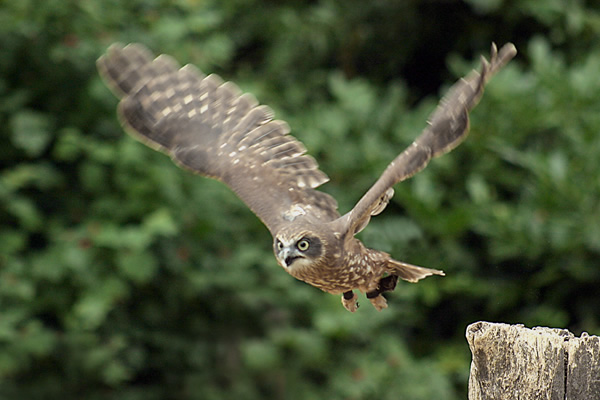
One of the oldest residents here at the centre, the Southern Boobook is native to mainland Australia & southern New Guinea. It is mainly insectivorous, but will occasionally take small birds and mammals during the breeding season.
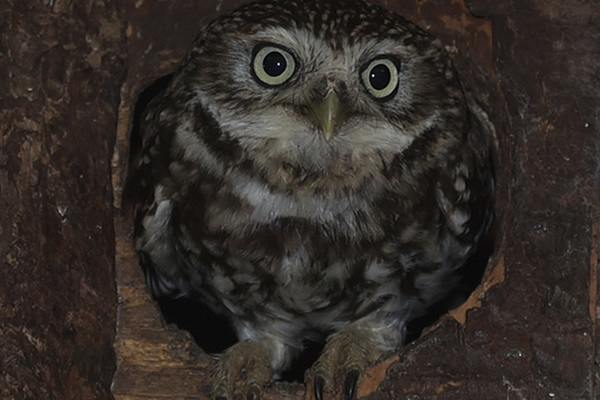
An owl that inhabits open countryside throughout Europe, Asia and north Africa. The Little Owl is a diurnal species of owl that can often be seen perched on top of fence posts.
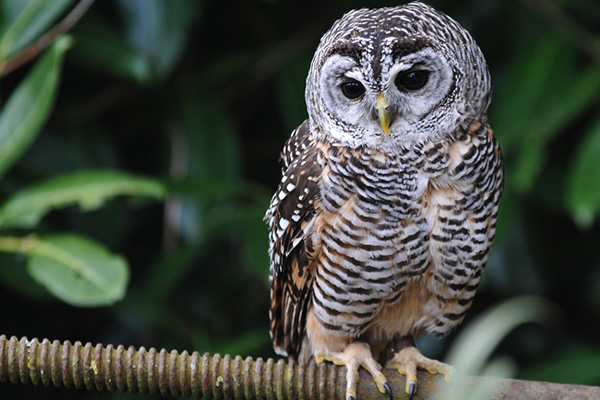
A South American species of owl, found in the Gran-Chaco region of Argentina and Paraguay. Habitat destruction has now meant they're a NEAR THREATENED species. Our Chaco Owl, Xander, is often flying in our private experiences.

Delivery / Terms & Conditions / Privacy Policy
© Cotswold Falconry Centre